
The Economic Case for American-Made Clothing

The Economic Case for American-Made Clothing: Why Spiritex and U.S. Manufacturing Matter
American clothing manufacturing tells a story of dramatic decline—and missed opportunity. While only 3% of clothing sold in the United States is still produced domestically, brands like Spiritex are proving that American-made apparel isn't just possible, it's profitable for everyone involved.
The shift of textile and apparel production overseas has fundamentally reshaped the American economy, eliminating hundreds of thousands of jobs and billions in economic activity. But companies committed to domestic production are demonstrating a different path forward—one that strengthens communities, supports families, and delivers superior quality products.
This comprehensive analysis examines the true economic impact of clothing manufacturing decisions, comparing domestic versus overseas production through the lens of job creation, economic multipliers, and long-term sustainability. We'll explore how platforms like Apollo are connecting conscious consumers with American-made brands, and why supporting companies like Spiritex represents more than just a purchase—it's an investment in America's economic future.
The Decline of American Clothing Manufacturing
The statistics surrounding American textile and apparel manufacturing paint quite a sobering picture. From employing over 2.5 million workers in 1990, the industry now supports fewer than 400,000 American jobs. This represents one of the steepest industrial declines in modern American history.
The North American Free Trade Agreement (NAFTA) and China's entry into the World Trade Organization accelerated this shift, making overseas production significantly cheaper in terms of labor costs. Between 2000 and 2018, the United States lost over 850,000 textile and apparel jobs, with entire manufacturing communities transformed virtually overnight.
This decline wasn't merely about moving factories—it represented the dismantling of an entire ecosystem. When major manufacturers relocated production, they took with them not just direct employment, but the extensive supply chains, technical expertise, and institutional knowledge that had developed over generations. Small towns across the Southeast, which had anchored their economies around textile mills, saw unemployment rates skyrocket and local businesses close.

The consequences extended beyond employment numbers. Domestic textile education programs shrank, equipment suppliers relocated, and the skilled workforce that understood fabric production, garment construction, and quality control dispersed to other industries. This "hollowing out" effect meant that even companies wanting to produce domestically often lacked the infrastructure and expertise to do so effectively.
Yet this decline wasn't inevitable or irreversible. Countries like Germany and Italy maintained significant portions of their textile industries by focusing on quality, innovation, and specialized production. The difference lay in strategic choices about what kind of economy each nation wanted to build and which it was, intentionally or unintentionally, willing to dismantle.
Economic Impact of US Manufacturing
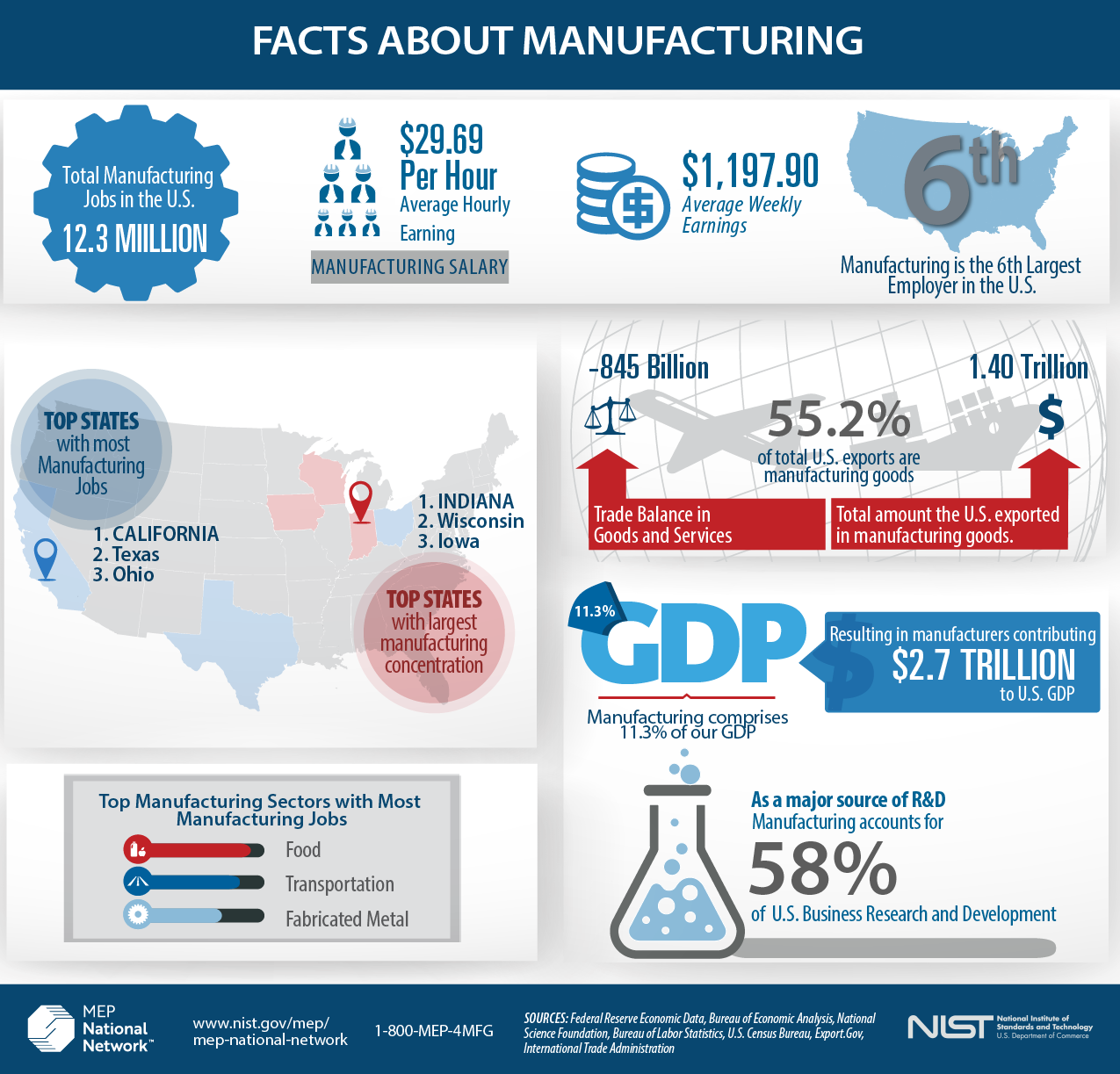
When clothing companies choose to manufacture domestically, they trigger a cascade of economic benefits that extend far beyond their immediate operations. Economic research consistently demonstrates that manufacturing jobs generate higher multiplier effects than most other sectors, meaning each direct job supports additional employment throughout the local economy.
Job Creation and Quality Employment
Manufacturing jobs in the textile and apparel industry provide middle-class wages and career pathways that service sector employment often cannot match. The Bureau of Labor Statistics reports that average manufacturing wages exceed service sector wages by over 15%, and textile manufacturing positions offer significantly better benefits packages than retail alternatives.
Domestic manufacturing creates three types of employment: direct jobs on production floors, indirect jobs in supporting industries, and induced jobs from worker spending in local communities. For every manufacturing job created, economists estimate that 2.5 additional jobs emerge in the broader economy—a multiplier effect that makes manufacturing investment particularly valuable for regional development.
These aren't just statistics—they represent families with stable incomes, health insurance, and retirement planning opportunities. Manufacturing careers offer advancement potential from production roles to supervisory, technical, and management positions, creating economic mobility that service jobs rarely provide.
Companies like Spiritex demonstrate this impact directly. Their domestic production facilities support not only seamstresses and cutters, but also fabric inspectors, shipping coordinators, maintenance technicians, and quality control specialists. Each of these positions requires training and offers skill development, contributing to a more capable regional workforce.
Local Economy Boost
Manufacturing operations purchase extensively from local suppliers, creating ripple effects throughout regional economies. American apparel manufacturers source from domestic fabric producers, thread suppliers, zipper manufacturers, and packaging companies. These business-to-business relationships strengthen entire industrial networks.
Local purchasing extends beyond direct production inputs. Manufacturing facilities require maintenance services, security, cleaning, transportation, and professional services from accounting to legal support. Workers spend their paychecks at local restaurants, shops, housing, and entertainment venues, circulating dollars through community economies multiple times.
Economic impact studies consistently show that manufacturing investment generates higher local economic returns than other business types. While service companies often source from national or international suppliers, manufacturers typically maintain extensive local supplier relationships, keeping more economic activity within regional boundaries.
Tax Revenue Generation
Domestic manufacturing generates substantial tax revenue at local, state, and federal levels. Property taxes from manufacturing facilities fund schools, infrastructure, and municipal services. Payroll taxes from good-paying jobs support Social Security and Medicare systems. Corporate taxes from profitable domestic operations contribute to federal and state budgets. You can start to see the how quickly it can have a positive impact in communities, states, and the entire country.
The tax implications extend beyond direct revenue. When production moves overseas, governments lose not only manufacturing tax revenue, but also income taxes from displaced workers, sales taxes from reduced consumer spending, and property taxes from declining real estate values in former manufacturing communities. Again, the impact these decisions have on the economy isn't just a small ripple, it creates waves for the national economy.
Conversely, thriving manufacturing regions benefit from increased property values, stronger retail sectors, and more robust tax bases that support public investment in education, infrastructure, and quality of life improvements that attract additional business investment.
The Downside of Overseas Manufacturing
While overseas manufacturing offers immediate cost savings, often-times for consumers, the long-term consequences for American communities and workers have proven severe and often irreversible. This is the mission of Apollo, to slowly reverse the negative impact of outsourcing entire supply chains.
Job Losses and Community Impact
The shift to overseas production eliminated not just individual jobs, but entire career pathways and economic ecosystems. Manufacturing communities that had provided stable employment for generations found themselves without viable alternatives, leading to population decline, business closures, and social disruption. Even decades later, communities are still trying to find a new identity in their economy with vacant buildings and loss of employment opportunities in the manufacturing sector.
These job losses disproportionately affected workers without college degrees, eliminating middle-class opportunities and increasing economic inequality. Not that America sees any economic inequality (that was sarcasm for those that may have missed it). Service jobs that replaced manufacturing positions typically offered lower wages, fewer benefits, and less economic security, contributing to the erosion of America's middle class.
The geographic concentration of manufacturing job losses created regional economic crises. When major employers relocated production overseas, suppliers, contractors, and service businesses lost customers simultaneously, creating economic downward spirals that persisted for decades. Spirals work in both positive and negative ways. Unfortunately for manufacturing in the U.S., it has not been a positive thing.
Environmental Consequences
Overseas production often involves longer supply chains with higher carbon footprints. Shipping clothing from Asia to American consumers requires extensive transportation by container ship, truck, and air freight, generating significant greenhouse gas emissions.
Many overseas production facilities operate under less stringent environmental regulations, potentially using harmful chemicals, generating more pollution, and consuming more water than would be permitted in American facilities. While not universal, these practices shift environmental costs rather than eliminating them.
Domestic production allows for better environmental oversight and enables companies to implement sustainable practices throughout their operations. Shorter supply chains reduce transportation emissions, and American environmental regulations ensure higher standards for waste management and chemical usage.
Ethical Concerns
International supply chains often lack transparency, making it difficult to ensure fair labor practices throughout production networks. Reports of unsafe working conditions, below-subsistence wages, and forced labor in some overseas facilities have raised serious ethical questions about global apparel production.
American manufacturing facilities operate under established labor laws, safety regulations, and worker protection standards. Domestic production provides visibility into working conditions and ensures that employment meets ethical standards Americans expect.
Companies producing domestically can build direct relationships with their workforce, understanding working conditions firsthand rather than relying on third-party audits of distant facilities.
There are also fewer regulations around what it means for a product to be "Made in". For example, China can state their products are "Made in China" as long as they are manufacturing the products there. They do not care if they are using low quality imported raw materials, their goal is to simply expand their manufacturing base. On the flip side, for American companies to state "Made in USA", they have to prove that all aspects of a product were sourced, manufactured and assembled in the United States. Regulations impact companies in more ways than one.
Side-by-Side Economic Comparison
The economic impacts of domestic versus overseas manufacturing reveal stark differences in how clothing production decisions affect American communities and workers.
Domestic Manufacturing Benefits
Direct Economic Impact:
- Manufacturing wages: $45,000-$65,000 annually
- Local supplier spending: 60-70% of operational costs
- Tax revenue generation: $15,000-$25,000 per employee annually
- Job multiplier effect: 2.5 additional jobs per manufacturing position
Community Investment:
- Infrastructure utilization of existing facilities
- Workforce development and skills training
- Local business support through employee spending
- Property value maintenance and improvement
Innovation and Quality:
- Rapid product development cycles
- Direct quality control oversight
- Customer feedback integration
- Continuous improvement processes
Overseas Manufacturing Consequences
Economic Outflows:
- Lost wages: $45,000-$65,000 per displaced worker
- Reduced local spending: $30,000-$50,000 per lost job
- Decreased tax revenue: $15,000-$25,000 per job annually
- Negative multiplier effects: 2.5 job losses per manufacturing position
Community Costs:
- Infrastructure underutilization
- Workforce displacement and retraining needs
- Reduced local business revenue
- Property value decline and urban decay
Quality and Service Limitations:
- Extended product development timelines
- Quality control challenges
- Communication barriers
- Reduced responsiveness to market changes
Long-term Economic Considerations
Domestic manufacturing builds industrial capability that creates options for future growth and innovation. Overseas production, while potentially offering short-term cost savings, creates dependency relationships that can become economically and strategically problematic.
American manufacturing maintains industrial skills, equipment, and knowledge within national borders, providing economic resilience and flexibility. Recent supply chain disruptions have highlighted the strategic importance of domestic production capability across multiple industries.
Spiritex: A Case Study in American Manufacturing Success
Spiritex exemplifies how American companies can build successful businesses while supporting domestic manufacturing and sustainable practices. Based in North Carolina, Spiritex has committed to producing high-quality organic cotton clothing entirely within American borders.
Commitment to Domestic Production
Spiritex's business model demonstrates that American manufacturing can compete effectively in modern markets. By focusing on quality materials, superior construction, and sustainable practices, they've built a loyal customer base willing to pay premium prices for domestic production.
The company's organic cotton clothing line includes men's and women's apparel ranging from basic tees and tanks to more complex items like jumpsuits and skirts. Often available in over ten colors, their products combine style with sustainability, proving that American-made doesn't mean compromising on fashion or variety.
Spiritex's commitment extends beyond mere production location. They've invested in developing supply relationships with American fabric producers, thread suppliers, and other inputs, building an integrated domestic supply chain that supports multiple American businesses.
Quality and Sustainability Focus
The company's emphasis on organic cotton demonstrates how domestic manufacturers can differentiate through superior materials and environmental responsibility. Organic cotton requires more careful sourcing and handling, making proximity to production facilities an advantage rather than a liability.
Spiritex's quality control processes benefit from direct oversight and rapid response to any issues. When production occurs domestically, companies can address problems immediately rather than discovering issues weeks or months later when overseas-produced goods arrive.
Customer testimonials consistently praise Spiritex products for comfort, durability, and style—qualities that result from careful attention to materials, construction techniques, and quality control processes that domestic production enables.
Spiritex customers frequently comment on the superior fit, comfort, and longevity of American-made organic cotton clothing compared to overseas alternatives. Many report that Spiritex garments maintain their shape, color, and softness through repeated washing and wearing.
Apollo's Role in Supporting American Manufacturing
Apollo serves as a crucial bridge between American manufacturers like Spiritex and consumers seeking domestically produced goods. As a marketplace dedicated exclusively to American-made products, Apollo addresses one of the primary challenges facing domestic manufacturers: connecting with customers who value local production.
Curated American-Made Marketplace
Apollo's business model solves a critical market problem. While many consumers express interest in buying American-made products, finding these items often proves difficult in retail environments dominated by overseas production. Apollo creates a centralized platform where customers can shop confidently, knowing every product supports American businesses and workers.
The platform's three-tier classification system provides transparency about manufacturing origins. Group 1 products are entirely made in America, Group 2 items combine domestic and foreign components with American assembly, and Group 3 products feature imported components assembled domestically. This clarity helps consumers make informed decisions aligned with their values.
Supporting Brand Growth
For companies like Spiritex, Apollo provides marketing reach and customer access that would be expensive and time-consuming to develop independently. The platform's focus on American-made products attracts customers specifically seeking domestic alternatives, improving conversion rates compared to general marketplaces.
Apollo's seller support includes no listing fees, transparent pricing, and dedicated onboarding assistance. This approach reduces barriers for American manufacturers wanting to reach online customers without the complexity and costs of developing independent e-commerce capabilities.
The platform's integration with existing business systems allows manufacturers to manage Apollo sales alongside other channels efficiently, reducing administrative burden while expanding market reach.
Building Consumer Awareness
Apollo's educational approach helps consumers understand the broader implications of their purchasing decisions. By highlighting the economic and social benefits of American manufacturing, the platform builds demand for domestic production beyond immediate product benefits.
Customer reviews and success stories shared through Apollo demonstrate real-world experiences with American-made products, building confidence and encouraging repeat purchases. This social proof becomes particularly valuable for manufacturers investing in quality and customer satisfaction.
Benefits of Choosing Apollo for American-Made Shopping
Apollo's commitment to domestic production creates several advantages for consumers:
Product Quality Assurance: Every seller undergoes verification, ensuring authentic American production.
Economic Impact: Purchases directly support American jobs, communities, and tax revenue.
Customer Service: Domestic sellers provide responsive support and faster resolution of any issues.
Environmental Benefits: Shorter supply chains reduce transportation emissions and environmental impact.
Transparency: Clear information about production origins and company values enables informed purchasing decisions.
The Ripple Effects of Supporting American Manufacturing
When consumers choose American-made clothing from companies like Spiritex, they participate in a larger economic ecosystem that extends far beyond individual transactions. These purchasing decisions create positive feedback loops that strengthen domestic manufacturing capability and community resilience.
Strengthening Supply Chains
Successful American clothing manufacturers support entire networks of domestic suppliers. Spiritex's success enables organic cotton growers, fabric mills, thread producers, and packaging companies to maintain domestic operations that might otherwise relocate overseas.
These supply chain relationships create industrial clusters where companies benefit from proximity, shared expertise, and collaborative innovation. When one company succeeds, it provides stability and growth opportunities for numerous supporting businesses.
Skills Development and Innovation
Domestic manufacturing maintains industrial expertise and craftsmanship that take decades to develop but can disappear quickly when production moves overseas. Companies like Spiritex preserve and develop skills in pattern making, garment construction, quality control, and textile technology.
This expertise becomes the foundation for innovation and adaptation. American manufacturers can respond quickly to changing consumer preferences, develop new production techniques, and maintain quality standards that overseas production often struggles to match.
Community Resilience
Manufacturing-based communities demonstrate greater economic resilience during downturns because production jobs tend to be more stable than service employment. Companies with significant fixed investments in facilities and equipment maintain operations longer during difficult periods.
The economic multiplier effects of manufacturing create diverse local economies less dependent on single industries or employers. This diversity provides stability when individual companies or sectors face challenges.
Making the Choice for American Manufacturing
The decision to support American-made clothing represents more than personal preference—it's a vote for the kind of economy and communities Americans want to build. Every purchase from companies like Spiritex through platforms like Apollo contributes to job creation, skill development, and community prosperity.
Consumer research consistently shows that Americans express strong preference for domestic production when quality and price are competitive. However, converting this preference into purchasing behavior requires accessible options and clear information about benefits—exactly what the Spiritex-Apollo partnership provides.
The premium often associated with American-made clothing reflects real value: higher wages for workers, better environmental standards, superior quality control, and support for domestic communities. When consumers consider the total cost of ownership—including durability, satisfaction, and societal benefits—domestic production frequently offers better value than overseas alternatives.
Rebuilding American Manufacturing, One Purchase at a Time
The decline of American clothing manufacturing wasn't inevitable, and its revival is entirely possible with sustained consumer support and business investment. Companies like Spiritex prove that domestic production can succeed in modern markets when supported by platforms like Apollo that connect conscious consumers with quality manufacturers.
The economic benefits of supporting American manufacturing extend throughout communities, creating jobs, generating tax revenue, and building industrial capability that serves long-term national interests. Each purchase from Spiritex through Apollo represents an investment in American workers, communities, and economic resilience.
The choice is clear: consumers have the power to shape manufacturing location decisions through purchasing behavior. By supporting American-made clothing, we can rebuild domestic industrial capability, strengthen communities, and create quality employment opportunities for current and future generations.
The resurgence of American manufacturing begins with individual decisions to prioritize domestic production. Explore Spiritex's American-made organic cotton clothing, and join the movement to bring manufacturing home.


